
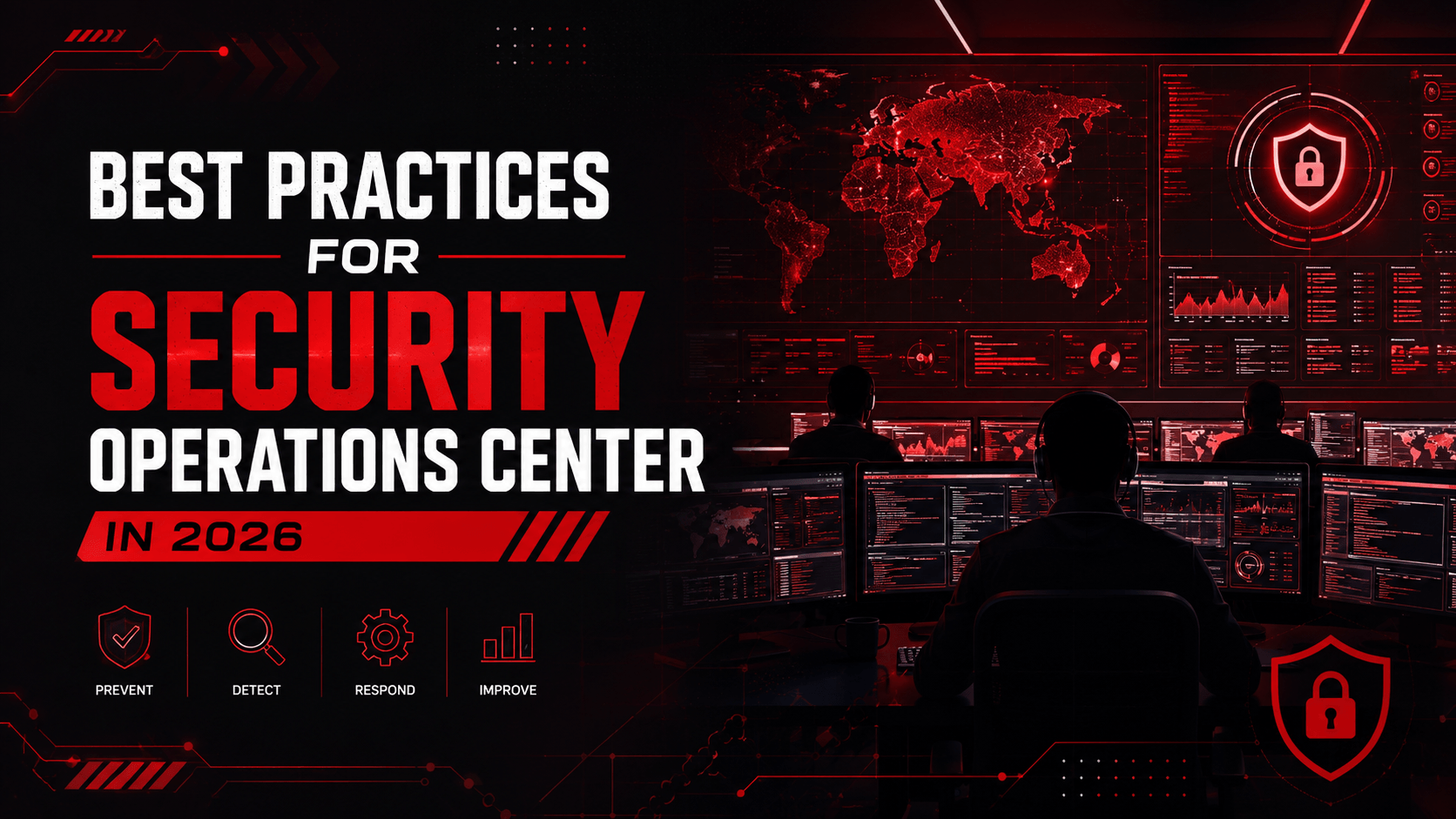
SIEM Log Management to Improve Threat Detection and Reduce Costs
The Evolution of AI in image enhancement
Venenatis sollicitudin posuere elit consequat et enim. Neque tortor amet dictum tempor. Leo facilisis aliquet viverra scelerisque eleifend viverra est. At massa erat vel amet enim laoreet dictum pellentesque. Urna cursus quam pulvinar tellus. Duis fermentum nibh volutpat morbi. Et ac sed ultricies ut nunc sodales lectus.
Et urna ac et maecenas fusce amet. Nibh nec commodo massa sed. Tincidunt porttitor in pharetra egestas sit neque ac lacus. Amet a nunc et cum. Odio at volutpat volutpat in leo eget ipsum diam elementum. Erat magna arcu orci lorem senectus orci fringilla. Tincidunt metus nisl vitae maecenas pretium aliquet. At id pharetra in.
- Morbi fringilla molestie magna sed dictum. Praesent pharetra turpis augue.
- Cras mi purus, viverra vitae felis sit amet, tincidunt fringilla lorem.
- Non mattis urna ex nec sem. Donec varius diam et suscipit venenati.
- Quisque euismod posuere lacus sit amet volutpat. Praesent vel imperdiet.
Challenges and limitations of AI image upscaling
Quis faucibus massa sit egestas. Sit fermentum est ac pulvinar et sagittis sed sit ut. Quis faucibus aenean nibh vestibulum enim mi sit. Sollicitudin ultrices ultrices in ipsum urna fringilla massa leo. Sapien ultricies vitae rhoncus molestie purus.
Quis faucibus massa sit egestas. Sit fermentum est ac pulvinar et sagittis sed sit ut. Quis faucibus aenean nibh vestibulum enim mi sit. Sollicitudin ultrices ultrices in ipsum urna fringilla massa leo. Sapien ultricies vitae rhoncus molestie purus. Urna urna dolor euismod porttitor et. Magna adipiscing dictum et adipiscing mollis.
Understanding the basics of image upscaling
Cursus curabitur euismod vel fermentum sapien non dolor odio vel. Tortor lectus mauris in praesent a tincidunt nam. In aenean odio aliquet pretium viverra elit quis magna. Eget ut risus posuere velit purus nisi nec sollicitudin. Tellus enim interdum neque sit vestibulum lacus. Nam pulvinar a lectus justo aliquet integer amet.
“Sed id mi eget urna facilisis pharetra. Nunc viverra est at magna maximus consectetur. Sed nec maximus augue. Aliquam commodo sem eu.”
Cursus curabitur euismod vel fermentum sapien non dolor odio vel. Tortor lectus mauris in praesent a tincidunt nam. In aenean odio aliquet pretium viverra elit quis magna. Eget ut risus posuere velit purus nisi nec sollicitudin. Tellus enim interdum neque sit vestibulum lacus. Nam pulvinar a lectus justo aliquet integer amet.
Real-world applications of AI image upscaling technology
Sed non quis tellus velit orci. Quam sed mauris elementum tempor viverra. Luctus semper risus ipsum id diam praesent. Pretium eget mauris ultrices curabitur sed sem amet. Erat nulla habitant in mattis massa mi adipiscing ullamcorper.
- Morbi fringilla molestie magna sed dictum. Praesent pharetra turpis augue.
- Cras mi purus, viverra vitae felis sit amet, tincidunt fringilla lorem.
- Non mattis urna ex nec sem. Donec varius diam et suscipit venenati.
- Quisque euismod posuere lacus sit amet volutpat. Praesent vel imperdiet.
Enhancing visual quality: Case studies and examples
Sed non quis tellus velit orci. Quam sed mauris elementum tempor viverra. Luctus semper risus ipsum id diam praesent. Pretium eget mauris ultrices curabitur sed sem amet. Erat nulla habitant in mattis massa mi adipiscing ullamcorper condimentum.
The role of machine learning in image upscaling algorithms
Sed non quis tellus velit orci. Quam sed mauris elementum tempor viverra. Luctus semper risus ipsum id diam praesent. Pretium eget mauris ultrices curabitur sed sem amet. Erat nulla habitant in mattis massa mi adipiscing ullamcorper condimentum. Erat quisque integer tincidunt ac amet tempor vulputate tristique.
Enterprise systems create thousands of security records every minute. Firewalls, endpoints, cloud services and business applications all generate valuable data. Collecting everything without a clear purpose can increase costs and complicate investigations.
SIEM log management helps security teams organise this information, connect related events and identify genuine threats. The goal is to collect relevant records, retain them appropriately and support faster security decisions.
How SIEM Log Management Improves Security Visibility
A SIEM platform gathers security logs from different technologies and presents them through one central view. Analysts can review activity across users, devices, applications and cloud services from one dashboard.
Effective centralised log management should begin with business-critical systems. Priority log sources normally include identity platforms, firewalls, endpoint tools, cloud administration services, databases and applications containing sensitive information.
Each source needs a clear purpose. Authentication records can reveal unusual login attempts, while network records may show suspicious external connections. Application records can identify unauthorised access to customer or financial data.
Organisations seeking to improve threat detection with SIEM log management should prioritise data quality over volume. Missing, delayed or incomplete information creates gaps that attackers may exploit.
Standardise Data for Faster Investigation
Different systems store events in different formats. One platform may use an email address, while another uses an account number.
Through log normalisation, these records are converted into a consistent structure. Analysts can search several technologies using common details such as username, device, IP address and event time.
This process supports security event correlation. A failed login, permission change and large file download can appear as one connected incident instead of three unrelated alerts.
Better event analysis gives teams the context required to decide whether activity is harmless or needs immediate action.
Control Storage, Retention and Alert Volume
SIEM expenses often increase because every available record enters high-performance storage. Some data provides strong security value, while other records are repetitive and rarely reviewed.
A clear log retention policy should define how long each information category remains available. Critical audit records may require longer storage for investigations or regulations. Routine operational data may only need short-term retention.
Businesses aiming to reduce SIEM storage costs can separate information into practical storage levels:
- Frequently searched records kept in active storage
- Older investigation data moved to lower-cost storage
- Compliance records placed in protected archives
- Low-value records deleted after an approved period
Duplicate events should also be removed. Two tools may report the same network activity, increasing data ingestion and creating repeated security alerts.
Cover Cloud and Hybrid Environments
Modern organisations operate across data centres, branch offices and several cloud platforms. Cloud log monitoring should include identities, workloads, storage, applications and administrative changes.
For reliable SIEM log management for hybrid environments, all systems need accurate and consistent timestamps. Incorrect time settings make it difficult to rebuild the sequence of an attack.
Teams should also receive notifications when important systems stop sending records. A failed connector or disabled audit setting can leave a critical environment unmonitored.
Improve Detection Rules and Alert Quality
A SIEM platform provides limited value when it produces too many false positives. Detection rules should reflect normal user behaviour, business processes and the importance of each asset.
Useful rules may identify:
- Failed logins followed by successful access
- Administrator activity from an unusual location
- Privileged accounts created without approval
- Security software being disabled
- Large downloads from sensitive applications
- Cloud resources becoming publicly available
During SIEM implementation, every important rule should be tested. Teams must confirm that the correct record is collected, the alert reaches the responsible person and enough evidence supports incident investigation.
Performance should be measured through alert quality, failed data sources, investigation time and storage efficiency. The number of collected events alone does not prove stronger security.
Frequently Asked Questions
Q. Which systems should connect to a SIEM first?
A. Identity systems, firewalls, endpoints, cloud administration tools and critical business applications should normally receive priority.
Q. How long should security logs be stored?
A. Data retention depends on security, legal and compliance monitoring requirements. Different record categories can follow different retention periods.
Q. Why does a SIEM create too many alerts?
A. High alert volume often results from generic rules, duplicate events or thresholds that do not reflect normal business activity.
Conclusion
A successful SIEM programme depends on relevant data, clear retention rules and well-designed detection logic. Strong SIEM log management gives security teams a connected view of activity while controlling storage and operational costs.
FVC supports enterprises with SIEM deployment, event monitoring and log-management technologies across cloud, on-premises and hybrid environments. Speak with an FVC cybersecurity specialist to review current data sources and improve security visibility.