
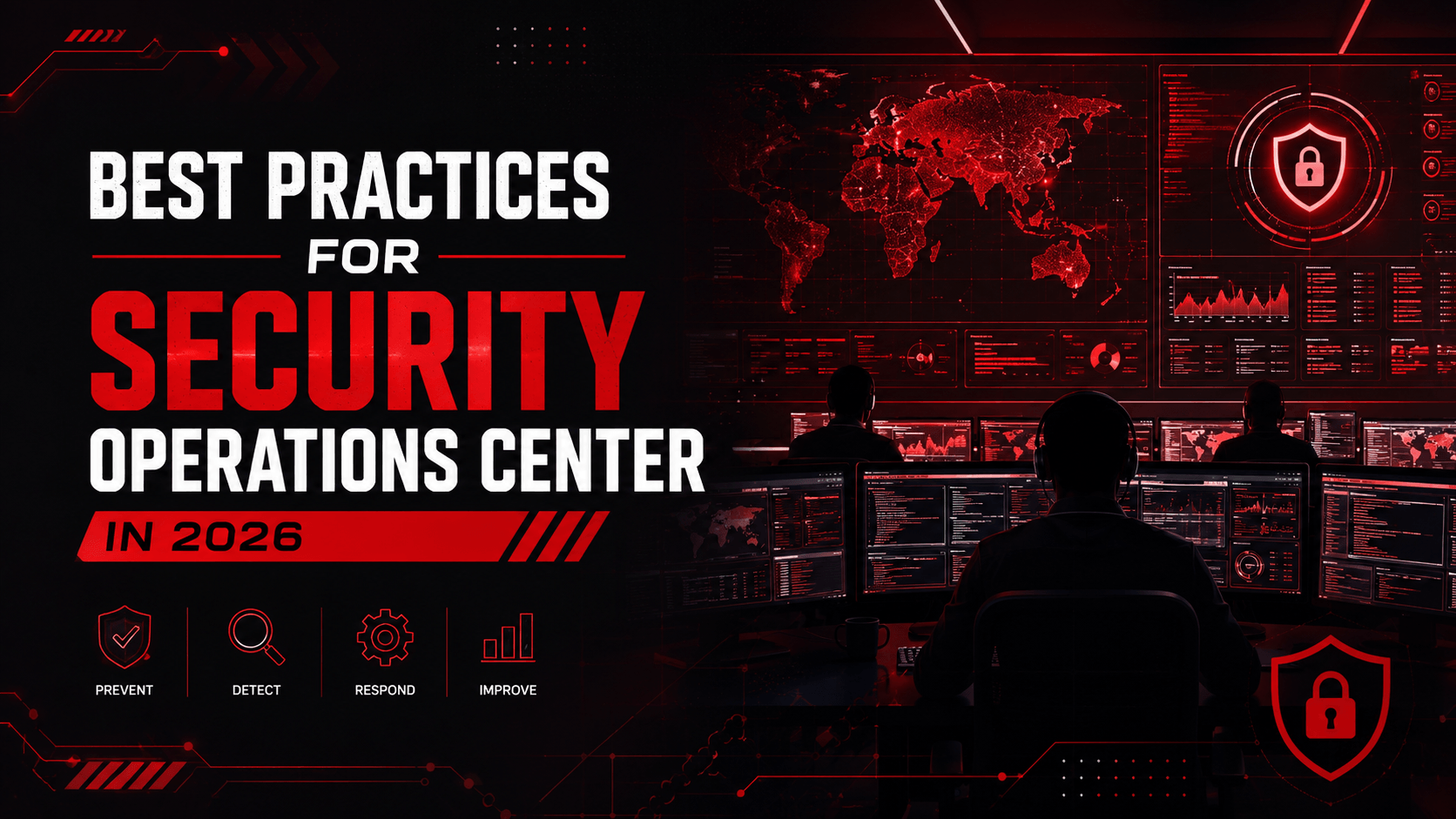
Dark Web Threat Intelligence: How Enterprises Can Detect Threats Earlier
The Evolution of AI in image enhancement
Venenatis sollicitudin posuere elit consequat et enim. Neque tortor amet dictum tempor. Leo facilisis aliquet viverra scelerisque eleifend viverra est. At massa erat vel amet enim laoreet dictum pellentesque. Urna cursus quam pulvinar tellus. Duis fermentum nibh volutpat morbi. Et ac sed ultricies ut nunc sodales lectus.
Et urna ac et maecenas fusce amet. Nibh nec commodo massa sed. Tincidunt porttitor in pharetra egestas sit neque ac lacus. Amet a nunc et cum. Odio at volutpat volutpat in leo eget ipsum diam elementum. Erat magna arcu orci lorem senectus orci fringilla. Tincidunt metus nisl vitae maecenas pretium aliquet. At id pharetra in.
- Morbi fringilla molestie magna sed dictum. Praesent pharetra turpis augue.
- Cras mi purus, viverra vitae felis sit amet, tincidunt fringilla lorem.
- Non mattis urna ex nec sem. Donec varius diam et suscipit venenati.
- Quisque euismod posuere lacus sit amet volutpat. Praesent vel imperdiet.
Challenges and limitations of AI image upscaling
Quis faucibus massa sit egestas. Sit fermentum est ac pulvinar et sagittis sed sit ut. Quis faucibus aenean nibh vestibulum enim mi sit. Sollicitudin ultrices ultrices in ipsum urna fringilla massa leo. Sapien ultricies vitae rhoncus molestie purus.
Quis faucibus massa sit egestas. Sit fermentum est ac pulvinar et sagittis sed sit ut. Quis faucibus aenean nibh vestibulum enim mi sit. Sollicitudin ultrices ultrices in ipsum urna fringilla massa leo. Sapien ultricies vitae rhoncus molestie purus. Urna urna dolor euismod porttitor et. Magna adipiscing dictum et adipiscing mollis.
Understanding the basics of image upscaling
Cursus curabitur euismod vel fermentum sapien non dolor odio vel. Tortor lectus mauris in praesent a tincidunt nam. In aenean odio aliquet pretium viverra elit quis magna. Eget ut risus posuere velit purus nisi nec sollicitudin. Tellus enim interdum neque sit vestibulum lacus. Nam pulvinar a lectus justo aliquet integer amet.
“Sed id mi eget urna facilisis pharetra. Nunc viverra est at magna maximus consectetur. Sed nec maximus augue. Aliquam commodo sem eu.”
Cursus curabitur euismod vel fermentum sapien non dolor odio vel. Tortor lectus mauris in praesent a tincidunt nam. In aenean odio aliquet pretium viverra elit quis magna. Eget ut risus posuere velit purus nisi nec sollicitudin. Tellus enim interdum neque sit vestibulum lacus. Nam pulvinar a lectus justo aliquet integer amet.
Real-world applications of AI image upscaling technology
Sed non quis tellus velit orci. Quam sed mauris elementum tempor viverra. Luctus semper risus ipsum id diam praesent. Pretium eget mauris ultrices curabitur sed sem amet. Erat nulla habitant in mattis massa mi adipiscing ullamcorper.
- Morbi fringilla molestie magna sed dictum. Praesent pharetra turpis augue.
- Cras mi purus, viverra vitae felis sit amet, tincidunt fringilla lorem.
- Non mattis urna ex nec sem. Donec varius diam et suscipit venenati.
- Quisque euismod posuere lacus sit amet volutpat. Praesent vel imperdiet.
Enhancing visual quality: Case studies and examples
Sed non quis tellus velit orci. Quam sed mauris elementum tempor viverra. Luctus semper risus ipsum id diam praesent. Pretium eget mauris ultrices curabitur sed sem amet. Erat nulla habitant in mattis massa mi adipiscing ullamcorper condimentum.
The role of machine learning in image upscaling algorithms
Sed non quis tellus velit orci. Quam sed mauris elementum tempor viverra. Luctus semper risus ipsum id diam praesent. Pretium eget mauris ultrices curabitur sed sem amet. Erat nulla habitant in mattis massa mi adipiscing ullamcorper condimentum. Erat quisque integer tincidunt ac amet tempor vulputate tristique.
Cybercriminals often discuss targets, sell credentials and share stolen information before an organisation notices an attack. Dark web threat intelligence helps security teams identify these warning signs and respond before exposed information causes further damage.
The dark web is only one part of the external threat landscape. Criminal forums, messaging channels, data-leak sites and underground marketplaces may all contain information connected to an organisation.
By monitoring these sources, enterprises can discover leaked credentials, impersonation attempts and planned attacks earlier.
What Does Dark Web Threat Intelligence Monitor?
Security teams use external intelligence to identify information that exists outside their controlled network.
Monitoring may identify:
- Employee usernames and passwords offered for sale
- Customer records shared after a breach
- Discussions about targeting an organisation
- Company documents published without approval
- Fraudulent domains copying the corporate brand
- Access to business systems advertised by criminals
- Mentions of executives or high-value employees
- Ransomware groups claiming to have stolen data
Traditional security tools monitor activity inside the organisation. By comparison, dark web monitoring searches external sources for signs that company information has already been exposed or that an attack may be developing.
For example, a security team may discover valid employee credentials on an underground marketplace. The affected password can then be reset before an attacker uses it.
Businesses implementing dark web monitoring for enterprise security should define which brands, domains, email addresses, executives and digital assets require coverage.
Understanding the Intelligence Lifecycle
Effective cyber threat intelligence involves more than collecting online mentions. Raw information must be reviewed, validated and connected to business risk.
The intelligence process usually includes:
- Defining the organisation’s monitoring priorities
- Collecting information from relevant external sources
- Confirming whether the information is genuine
- Assessing the affected user, system or business unit
- Assigning a risk level
- Sending the finding to the responsible team
- Tracking the response and final resolution
Without validation, security teams may waste time investigating outdated passwords or unrelated company names.
How Dark Web Threat Intelligence Supports Faster Action
External intelligence becomes valuable when it leads to a clear response.
If exposed employee credentials are discovered, the organisation may reset the password, end active sessions and review recent login activity. When sensitive files appear online, the incident-response team can investigate the source and determine whether a wider breach occurred.
Organisations researching how to detect leaked company credentials should connect intelligence findings with identity, SIEM and endpoint-security systems. This allows analysts to check whether the exposed account has already been used.
Prioritising Genuine Business Risk
Not every mention requires the same response.
A leaked password for an inactive marketing account presents a different risk from active administrator credentials connected to production systems. Effective risk prioritisation should consider:
- Whether the data is valid and current
- The permissions of the affected account
- The importance of the connected system
- Whether suspicious activity has already occurred
- The sensitivity of the exposed information
- The credibility of the source
A threat intelligence platform can enrich findings with information about known attackers, malicious infrastructure and previous campaigns.
This context helps analysts understand whether an alert is isolated or connected to a larger threat.
Extending Monitoring Beyond the Dark Web
External risk is not limited to criminal marketplaces.
Attackers may register lookalike domains, create fake social profiles or publish fraudulent login pages. These activities can support phishing, payment fraud and brand impersonation.
Digital risk protection expands monitoring to include:
- Fake websites and domains
- Fraudulent mobile applications
- Executive impersonation
- Unauthorised social-media accounts
- Leaked source code
- Exposed cloud storage
- Malicious advertisements
- Stolen intellectual property
For enterprises operating across several countries, threat intelligence solutions for Middle East enterprises should consider regional languages, local threat groups and sector-specific attacks.
Frequently Asked Questions
Q. What information can dark web monitoring identify?
A. It may identify stolen credentials, leaked documents, customer information, criminal discussions and unauthorised access being offered for sale.
Q. Does every dark web mention indicate a breach?
A. No. Findings must be validated because some information may be outdated, duplicated or unrelated to the organisation.
Q. How should a company respond to exposed credentials?
A. The company should reset the password, terminate active sessions, review recent access and check whether other accounts use the same credentials.
Conclusion
Early warning can reduce the impact of credential theft, fraud and targeted cyberattacks. Through dark web threat intelligence, enterprises can discover exposed information and external threats before they develop into serious incidents.
FVC helps organisations strengthen external monitoring through cybersecurity technologies, regional expertise and structured response processes. Speak with an FVC cybersecurity specialist to assess your external exposure and improve threat visibility.