
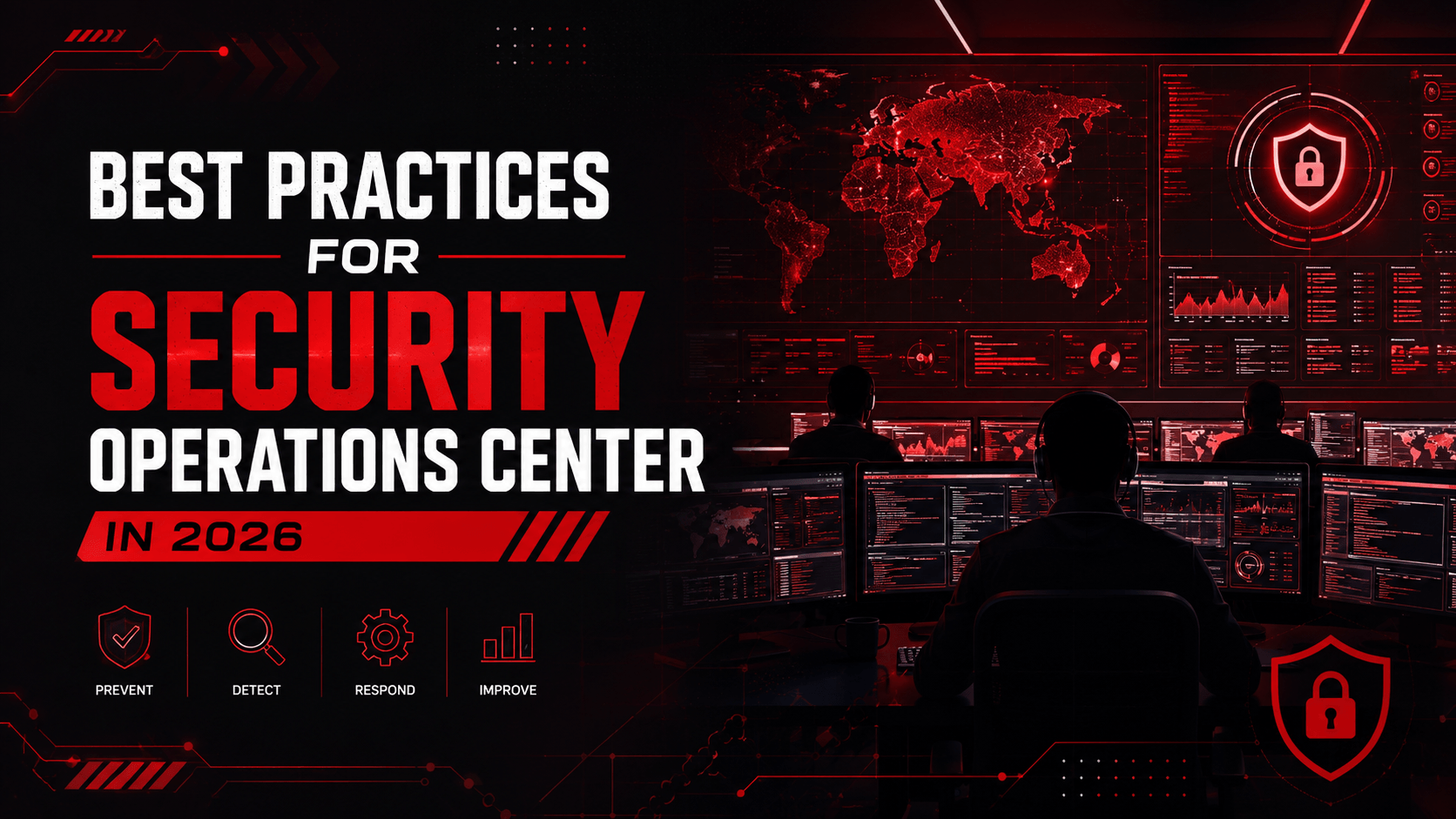
Cybersecurity GRC for Continuous Compliance and Risk Management
The Evolution of AI in image enhancement
Venenatis sollicitudin posuere elit consequat et enim. Neque tortor amet dictum tempor. Leo facilisis aliquet viverra scelerisque eleifend viverra est. At massa erat vel amet enim laoreet dictum pellentesque. Urna cursus quam pulvinar tellus. Duis fermentum nibh volutpat morbi. Et ac sed ultricies ut nunc sodales lectus.
Et urna ac et maecenas fusce amet. Nibh nec commodo massa sed. Tincidunt porttitor in pharetra egestas sit neque ac lacus. Amet a nunc et cum. Odio at volutpat volutpat in leo eget ipsum diam elementum. Erat magna arcu orci lorem senectus orci fringilla. Tincidunt metus nisl vitae maecenas pretium aliquet. At id pharetra in.
- Morbi fringilla molestie magna sed dictum. Praesent pharetra turpis augue.
- Cras mi purus, viverra vitae felis sit amet, tincidunt fringilla lorem.
- Non mattis urna ex nec sem. Donec varius diam et suscipit venenati.
- Quisque euismod posuere lacus sit amet volutpat. Praesent vel imperdiet.
Challenges and limitations of AI image upscaling
Quis faucibus massa sit egestas. Sit fermentum est ac pulvinar et sagittis sed sit ut. Quis faucibus aenean nibh vestibulum enim mi sit. Sollicitudin ultrices ultrices in ipsum urna fringilla massa leo. Sapien ultricies vitae rhoncus molestie purus.
Quis faucibus massa sit egestas. Sit fermentum est ac pulvinar et sagittis sed sit ut. Quis faucibus aenean nibh vestibulum enim mi sit. Sollicitudin ultrices ultrices in ipsum urna fringilla massa leo. Sapien ultricies vitae rhoncus molestie purus. Urna urna dolor euismod porttitor et. Magna adipiscing dictum et adipiscing mollis.
Understanding the basics of image upscaling
Cursus curabitur euismod vel fermentum sapien non dolor odio vel. Tortor lectus mauris in praesent a tincidunt nam. In aenean odio aliquet pretium viverra elit quis magna. Eget ut risus posuere velit purus nisi nec sollicitudin. Tellus enim interdum neque sit vestibulum lacus. Nam pulvinar a lectus justo aliquet integer amet.
“Sed id mi eget urna facilisis pharetra. Nunc viverra est at magna maximus consectetur. Sed nec maximus augue. Aliquam commodo sem eu.”
Cursus curabitur euismod vel fermentum sapien non dolor odio vel. Tortor lectus mauris in praesent a tincidunt nam. In aenean odio aliquet pretium viverra elit quis magna. Eget ut risus posuere velit purus nisi nec sollicitudin. Tellus enim interdum neque sit vestibulum lacus. Nam pulvinar a lectus justo aliquet integer amet.
Real-world applications of AI image upscaling technology
Sed non quis tellus velit orci. Quam sed mauris elementum tempor viverra. Luctus semper risus ipsum id diam praesent. Pretium eget mauris ultrices curabitur sed sem amet. Erat nulla habitant in mattis massa mi adipiscing ullamcorper.
- Morbi fringilla molestie magna sed dictum. Praesent pharetra turpis augue.
- Cras mi purus, viverra vitae felis sit amet, tincidunt fringilla lorem.
- Non mattis urna ex nec sem. Donec varius diam et suscipit venenati.
- Quisque euismod posuere lacus sit amet volutpat. Praesent vel imperdiet.
Enhancing visual quality: Case studies and examples
Sed non quis tellus velit orci. Quam sed mauris elementum tempor viverra. Luctus semper risus ipsum id diam praesent. Pretium eget mauris ultrices curabitur sed sem amet. Erat nulla habitant in mattis massa mi adipiscing ullamcorper condimentum.
The role of machine learning in image upscaling algorithms
Sed non quis tellus velit orci. Quam sed mauris elementum tempor viverra. Luctus semper risus ipsum id diam praesent. Pretium eget mauris ultrices curabitur sed sem amet. Erat nulla habitant in mattis massa mi adipiscing ullamcorper condimentum. Erat quisque integer tincidunt ac amet tempor vulputate tristique.
An audit request often creates the same challenge. Security teams search through emails, spreadsheets and separate systems to find policies, approvals and evidence.
The required information may exist, but proving that controls remain active becomes difficult.
A structured cybersecurity GRC programme connects governance, risk and compliance activities. This gives organisations a clearer view of their exposure, responsibilities and control performance.
Instead of treating compliance as a yearly project, enterprises can monitor risks and controls throughout the year.
Why Security Governance Becomes Disconnected
Many organisations manage risks through spreadsheets while policies remain stored in shared folders.
Audit evidence, security findings and approval records may exist in different systems. This makes it difficult to understand whether a risk has been assessed, assigned and resolved.
An effective governance risk and compliance model creates one connected process for policies, risks, controls, owners and evidence.
Connecting Risks with Business Services
A vulnerability assessment may identify an outdated internet-facing server.
The technical team records the issue, but management may not know which business service depends on the server.
They may also lack clarity about the responsible owner, affected regulation or required completion date.
A central risk register connects these details and shows the possible business impact.
Assigning Risk Ownership
Every risk should have a named owner.
Without ownership, findings may remain unresolved because different teams assume someone else is responsible.
Strong security governance defines who approves policies, reviews risks, tests controls and accepts exceptions.
Organisations implementing cybersecurity GRC for Middle East enterprises should align these responsibilities with regional regulations and internal business structures.
Moving Towards Continuous Compliance
Traditional compliance programmes often become active shortly before an audit.
Teams collect screenshots, reports and approval records before repeating the same exercise during the next review.
Continuous compliance replaces this approach with regular control monitoring.
Monitoring Access Controls
The organisation should regularly confirm whether multi-factor authentication protects sensitive systems.
Access reviews must also be completed within the approved schedule.
Expired permissions and inactive accounts should be removed before they create avoidable security risks.
Monitoring Vulnerability Management
Critical vulnerabilities should be corrected within defined timelines.
Overdue findings should be escalated to the relevant owner and management team.
This creates accountability and prevents serious weaknesses from remaining open without explanation.
Monitoring Security Records
Important systems should continue sending logs to the approved monitoring platform.
A failed connector or disabled audit setting may create a security gap without being noticed.
Continuous monitoring helps teams identify missing records before an incident or audit occurs.
Maintaining Compliance Evidence
Evidence should be collected during normal operations rather than assembled shortly before an audit.
This may include access reports, configuration records, approval details and completed security tests.
Maintaining current compliance evidence improves audit readiness and reduces last-minute work.
Connecting Regulations with Security Controls
One security control may support several standards and legal obligations.
An integrated governance risk and compliance framework maps each control to all relevant requirements.
For example, a user-access review may support internal policy, data-protection obligations and an information-security standard.
This prevents teams from testing the same activity several times for different audits.
Testing Control Effectiveness
A written policy does not prove that a control works.
A policy may require strong passwords, but the organisation must also confirm that systems enforce the requirement.
Evidence may include system settings, access records and completed test results.
Businesses using continuous compliance monitoring for enterprises should evaluate actual control performance rather than relying only on documentation.
Using Risk to Guide Cybersecurity Decisions
Compliance does not automatically mean that an organisation is secure.
A business may complete the required documents while still carrying serious technical or operational risks.
Strong cyber risk management considers the likelihood and impact of each issue.
Prioritising Critical Risks
A weakness affecting a customer database should normally receive more attention than a low-risk issue on an isolated test device.
Risk priority should consider the affected service, sensitive information, current controls and possible disruption.
This allows security teams to focus limited resources on the issues that could cause the greatest harm.
Tracking Remediation
Every corrective action needs an owner and target completion date.
The organisation should record planned treatment, current status and any accepted exception.
Management should also understand the remaining risk after corrective actions are completed.
Clear remediation tracking shows whether exposure is reducing over time.
Improving Oversight Through GRC Automation
Manual processes become harder as organisations add systems, suppliers, locations and regulatory requirements.
GRC automation can support policy reviews, evidence requests, risk assessments and approval workflows.
The platform may remind control owners about upcoming reviews and identify overdue tasks.
It can also create dashboards showing open risks, compliance status and remediation progress.
Technology should support the operating model rather than replace it. Clear policies, ownership and decision-making responsibilities are still required.
Frequently Asked Questions
Q. What is cybersecurity GRC?
A. It connects security governance, risk management and compliance activities within one structured programme.
Q. How does GRC support regulatory compliance?
A. It maps regulatory requirements to policies and controls while maintaining evidence, ownership and review records.
Q. Can GRC software replace security audits?
A. No. It reduces repetitive administration, but organisations still require testing, management review and independent assurance.
Conclusion
Disconnected spreadsheets and yearly compliance exercises make reliable oversight difficult.
Through cybersecurity GRC, organisations can connect risks, controls, policies and evidence within one operating model.
FVC helps enterprises improve regulatory compliance, risk visibility and control monitoring through suitable GRC technologies and regional cybersecurity expertise.
Speak with an FVC specialist to develop a clearer and more sustainable governance framework.