
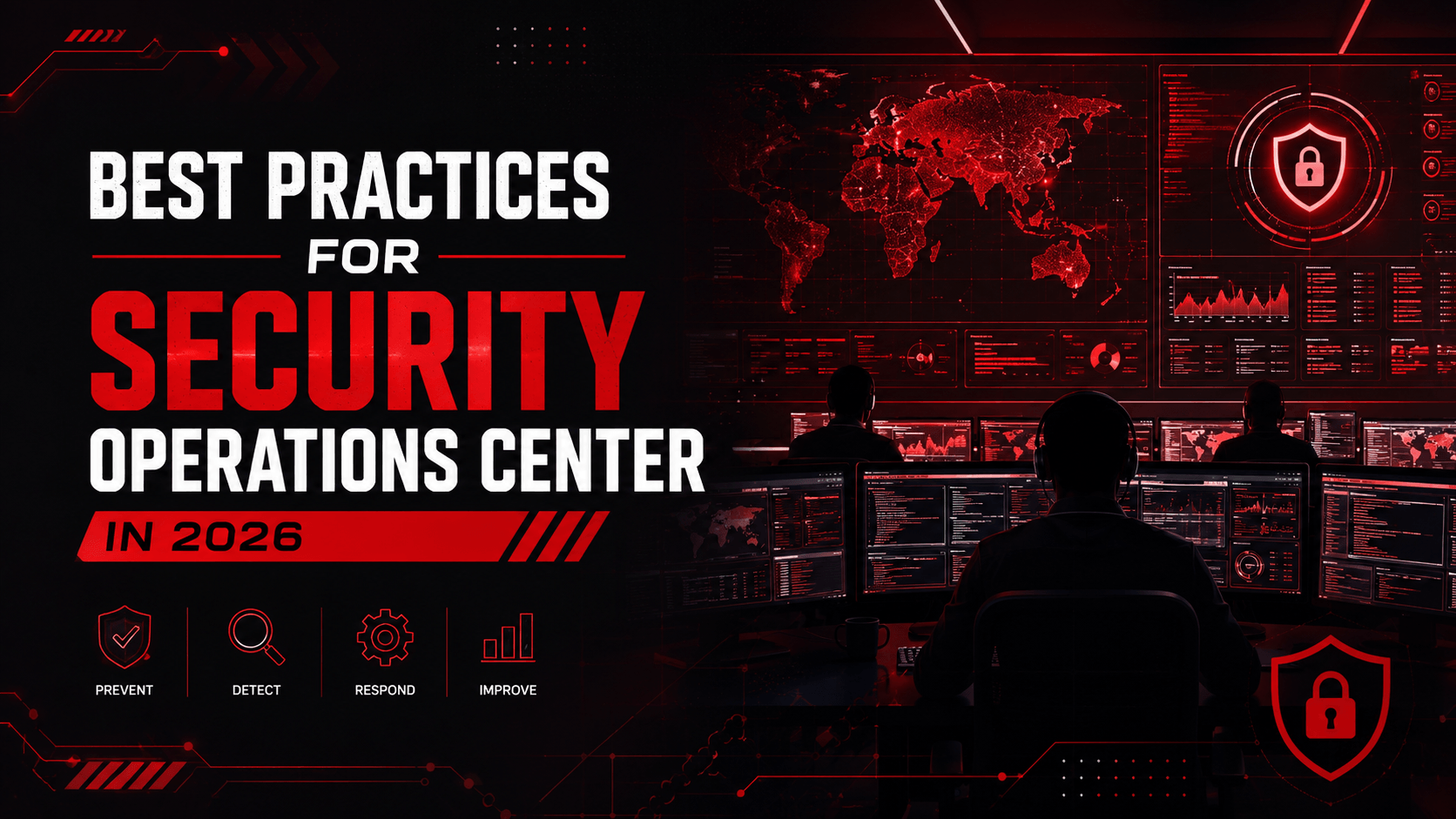
Cloud Application Security for Hybrid and Multi-Cloud Environments
The Evolution of AI in image enhancement
Venenatis sollicitudin posuere elit consequat et enim. Neque tortor amet dictum tempor. Leo facilisis aliquet viverra scelerisque eleifend viverra est. At massa erat vel amet enim laoreet dictum pellentesque. Urna cursus quam pulvinar tellus. Duis fermentum nibh volutpat morbi. Et ac sed ultricies ut nunc sodales lectus.
Et urna ac et maecenas fusce amet. Nibh nec commodo massa sed. Tincidunt porttitor in pharetra egestas sit neque ac lacus. Amet a nunc et cum. Odio at volutpat volutpat in leo eget ipsum diam elementum. Erat magna arcu orci lorem senectus orci fringilla. Tincidunt metus nisl vitae maecenas pretium aliquet. At id pharetra in.
- Morbi fringilla molestie magna sed dictum. Praesent pharetra turpis augue.
- Cras mi purus, viverra vitae felis sit amet, tincidunt fringilla lorem.
- Non mattis urna ex nec sem. Donec varius diam et suscipit venenati.
- Quisque euismod posuere lacus sit amet volutpat. Praesent vel imperdiet.
Challenges and limitations of AI image upscaling
Quis faucibus massa sit egestas. Sit fermentum est ac pulvinar et sagittis sed sit ut. Quis faucibus aenean nibh vestibulum enim mi sit. Sollicitudin ultrices ultrices in ipsum urna fringilla massa leo. Sapien ultricies vitae rhoncus molestie purus.
Quis faucibus massa sit egestas. Sit fermentum est ac pulvinar et sagittis sed sit ut. Quis faucibus aenean nibh vestibulum enim mi sit. Sollicitudin ultrices ultrices in ipsum urna fringilla massa leo. Sapien ultricies vitae rhoncus molestie purus. Urna urna dolor euismod porttitor et. Magna adipiscing dictum et adipiscing mollis.
Understanding the basics of image upscaling
Cursus curabitur euismod vel fermentum sapien non dolor odio vel. Tortor lectus mauris in praesent a tincidunt nam. In aenean odio aliquet pretium viverra elit quis magna. Eget ut risus posuere velit purus nisi nec sollicitudin. Tellus enim interdum neque sit vestibulum lacus. Nam pulvinar a lectus justo aliquet integer amet.
“Sed id mi eget urna facilisis pharetra. Nunc viverra est at magna maximus consectetur. Sed nec maximus augue. Aliquam commodo sem eu.”
Cursus curabitur euismod vel fermentum sapien non dolor odio vel. Tortor lectus mauris in praesent a tincidunt nam. In aenean odio aliquet pretium viverra elit quis magna. Eget ut risus posuere velit purus nisi nec sollicitudin. Tellus enim interdum neque sit vestibulum lacus. Nam pulvinar a lectus justo aliquet integer amet.
Real-world applications of AI image upscaling technology
Sed non quis tellus velit orci. Quam sed mauris elementum tempor viverra. Luctus semper risus ipsum id diam praesent. Pretium eget mauris ultrices curabitur sed sem amet. Erat nulla habitant in mattis massa mi adipiscing ullamcorper.
- Morbi fringilla molestie magna sed dictum. Praesent pharetra turpis augue.
- Cras mi purus, viverra vitae felis sit amet, tincidunt fringilla lorem.
- Non mattis urna ex nec sem. Donec varius diam et suscipit venenati.
- Quisque euismod posuere lacus sit amet volutpat. Praesent vel imperdiet.
Enhancing visual quality: Case studies and examples
Sed non quis tellus velit orci. Quam sed mauris elementum tempor viverra. Luctus semper risus ipsum id diam praesent. Pretium eget mauris ultrices curabitur sed sem amet. Erat nulla habitant in mattis massa mi adipiscing ullamcorper condimentum.
The role of machine learning in image upscaling algorithms
Sed non quis tellus velit orci. Quam sed mauris elementum tempor viverra. Luctus semper risus ipsum id diam praesent. Pretium eget mauris ultrices curabitur sed sem amet. Erat nulla habitant in mattis massa mi adipiscing ullamcorper condimentum. Erat quisque integer tincidunt ac amet tempor vulputate tristique.
Modern applications operate across public clouds, private environments and enterprise data centres. This flexibility helps businesses scale faster, but it also creates more locations where security weaknesses can appear.
Strong cloud application security protects application code, APIs, identities, workloads and business data throughout the complete application lifecycle. It helps security teams identify exposed resources, excessive permissions and vulnerable components before attackers can exploit them.
FVC supports organisations across the Middle East in securing applications without slowing cloud adoption or software delivery.
Understanding Cloud Application Security Risks
Cloud applications depend on multiple connected services. These may include databases, storage platforms, user directories, APIs, containers and external software components.
A weakness in one service can affect the complete application.
Common risks include:
- Publicly accessible cloud storage
- Weak user authentication
- Excessive administrator permissions
- Unsecured APIs
- Outdated software libraries
- Missing encryption
- Unmonitored configuration changes
- Exposed access keys
- Vulnerable containers
- Disabled logging
A cloud misconfiguration can expose sensitive information even when the application code is secure. For example, a database may use strong authentication but remain publicly accessible because of an incorrect network rule.
Businesses considering how to secure applications in hybrid cloud environments should first identify every application, database, API and supporting workload. Unknown assets cannot be assessed or protected properly.
Strengthen Identity and Access Control
Identity is an important part of application protection because cloud services rely heavily on user and machine accounts.
Strong access control should ensure that employees, administrators and applications receive only the permissions required for their approved tasks.
The principle of least privilege reduces the damage caused by stolen credentials. A developer may need permission to update a test application but should not automatically receive access to production databases.
Administrator accounts should use multi-factor authentication, while service-account credentials should be stored securely and rotated regularly.
Build Cloud Application Security into Development
Waiting until an application is ready for launch makes security problems more difficult and expensive to correct.
Through DevSecOps security, organisations can introduce automated checks during coding, testing and deployment. Developers receive faster feedback and can correct weaknesses before the software reaches production.
Useful checks include:
- Source-code scannin
- Open-source component scanning
- Container image scanning
- Infrastructure template reviews
- Credential and access-key detection
- API testing
- Cloud configuration validation
Regular application security testing should combine different methods. Static testing reviews application code, while dynamic testing examines the running application. Software composition analysis identifies vulnerabilities within third-party libraries.
A structured secure development process should also define which security findings can delay a release. Critical weaknesses affecting authentication, sensitive data or administrator functions should be corrected before deployment.
Protect APIs and Sensitive Data
APIs allow applications to communicate with payment systems, customer databases and third-party platforms. Poorly protected interfaces may expose information or allow unauthorised actions.
Effective API security should include strong authentication, request validation, rate limits and detailed activity logs. Each API must return only the information required for the approved request.
Sensitive information should use data encryption during storage and transfer. Encryption keys must be stored separately and limited to authorised applications.
Maintain Visibility Across Cloud Workloads
Hybrid environments may contain applications across several cloud providers and existing data centres. Separate security dashboards can make connected threats difficult to detect.
A consistent multi-cloud security approach should apply common requirements for authentication, encryption, logging and vulnerability management across every platform.
Organisations implementing security for multi-cloud applications should centralise important alerts through SIEM or Security Operations Centre platforms. This helps analysts connect unusual login activity with workload changes, API calls and data access.
Continuous cloud workload protection can identify malware, suspicious processes and unauthorised configuration changes across virtual machines, containers and serverless applications.
For effective enterprise cloud application protection, teams should monitor:
- Internet-facing workloads
- High-risk vulnerabilities
- Excessive permissions
- Unapproved configuration changes
- Suspicious API activity
- Failed security controls
- Missing application logs
These measurements provide a clearer view of risk than simply counting alerts.
Frequently Asked Questions
Q. What does cloud application security protect?
A. It protects application code, APIs, identities, cloud workloads, data and configurations from unauthorised access and cyber threats.
Q. Why is application security testing required after deployment?
A. New features, integrations and software components may introduce fresh application vulnerabilities after the original release.
Q. Can one security approach cover multiple cloud providers?
A. Yes. Common policies, central security monitoring and consistent access controls can support applications across hybrid and multi-cloud environments.
Conclusion
Effective cloud application security requires more than protecting the cloud platform. Organisations must secure identities, application code, APIs, workloads and data from development through daily operation.
FVC helps enterprises assess application risks and select suitable technologies for testing, workload protection and threat detection. Speak with an FVC cybersecurity specialist to strengthen applications across your hybrid or multi-cloud environment.